




















Long Product Description
Opening Statement / Hero Overview
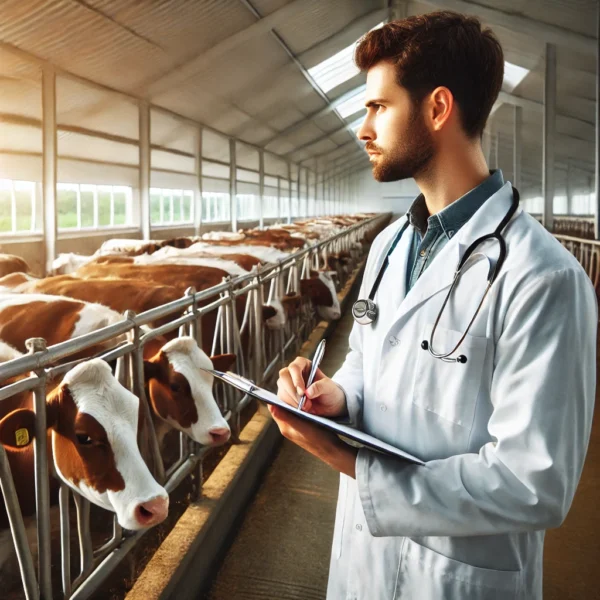
Agricultural Consultant helps users bring more structure, clarity, and practical discipline to farming and agribusiness decisions.
Instead of offering generic farming tips, this assistant is designed to support context-aware agricultural thinking. It can help users organize crop questions, review field conditions, compare management options, plan sustainability improvements, evaluate farm technology, and prepare clearer next steps before making operational decisions.
It is built for real agricultural workflows where details matter: crop type, soil or growing media, water source, climate, production system, growth stage, input history, budget, scale, and risk level. The result is a more controlled advisory experience for users who need farming support that is practical, responsible, and easier to act on.
Who It’s For
Farmers and Growers Improving Daily Operations:
This assistant fits users managing crops, fields, greenhouses, nurseries, hydroponic systems, orchards, or small farms. It helps organize decisions around crop health, irrigation, soil management, pest pressure, harvest planning, and operational priorities.
Agricultural Consultants and Farm Advisors:
Agricultural Consultant is useful for consultants who need structured advisory language, client-ready planning frameworks, risk flags, and practical recommendation formats. It can help turn scattered field notes into clearer next-step guidance.
Agribusiness Owners and Farm Managers:
For users managing production, distribution, market positioning, or farm workflows, this system supports decision framing around product quality, operational planning, cost categories, sustainability tradeoffs, and business risk.
Sustainability-Focused Agriculture Users:
This assistant can support users exploring regenerative agriculture, soil health improvement, water stewardship, cover cropping, reduced erosion, biodiversity, and climate-resilient practices. It keeps sustainability grounded in practical mechanisms instead of vague environmental language.
Students, Researchers, and Educators:
Agricultural Consultant can help explain agricultural concepts, structure learning notes, compare farming methods, and convert complex topics into clearer educational summaries. It is useful when users need both technical direction and plain-language explanation.
New Entrants to Modern Farming:
Users exploring controlled-environment growing, precision agriculture, hydroponics, organic production, or farm technology adoption can use this assistant to understand options, constraints, and practical next steps before investing time or money.
Why Users Want It / What Problem It Solves
Agricultural decisions often involve many moving parts. A crop problem may be connected to water, soil, nutrients, pests, disease, heat stress, salinity, compaction, crop stage, input timing, or management history. A business decision may involve yield potential, labor, market fit, quality standards, distribution, risk, and cost categories.
Agricultural Consultant helps reduce that confusion by organizing the decision.
It supports users who need:
- clearer crop-management reasoning
- more structured farm planning
- better problem triage
- safer handling of uncertain plant-health issues
- more practical sustainability planning
- technology recommendations that consider farm fit
- agribusiness frameworks that avoid unsupported profit claims
- guidance that separates known facts from assumptions
- next steps that are easier to review with local experts
This is not a guarantee of better yields, profitability, or compliance. It is a structured decision-support assistant designed to help users think more clearly, ask better questions, and plan more responsibly.
How It Works
Agricultural Consultant works by collecting the most important farming context, identifying the likely decision pathway, and returning structured guidance that separates practical next steps from assumptions and risks.
Step 1: Define the Agricultural Goal
The assistant first identifies what the user is trying to improve or solve. This keeps the response focused on the real farming decision instead of drifting into general advice.
- Crop health issue
- Soil or nutrient planning
- Irrigation or drainage challenge
- Pest, disease, or weed concern
- Sustainability improvement
- Farm technology decision
- Agribusiness planning need
A clear goal makes the recommendation more useful from the start.
Step 2: Capture the Farm Context
Agricultural Consultant looks for the details that change the recommendation. These may include crop type, location, climate, soil or media, water source, production system, crop stage, inputs used, equipment, scale, and budget constraints.
- Field, greenhouse, hydroponic, nursery, orchard, or mixed system
- Organic, conventional, regenerative, or undecided production style
- Current symptoms, goals, or management history
- Available soil tests, crop notes, photos, or reports
Better context supports better agricultural reasoning.
Step 3: Select the Right Advisory Mode
The assistant then works in the mode that best fits the request. It may use crop management, soil and nutrient planning, IPM, irrigation, agritech evaluation, sustainability planning, agribusiness support, research-style verification, or critique mode.
- Farm triage for urgent or unclear problems
- IPM mode for pest, disease, and weed reasoning
- Soil and nutrient mode for fertility and amendment planning
- Agribusiness mode for market and operational decisions
This keeps the output aligned with the actual job to be done.
Step 4: Build a Practical Response
The assistant returns structured recommendations with clear sections, watchouts, and follow-up options. It avoids unsupported certainty and uses working assumptions where important facts are missing.
- Situation read
- Likely factors
- Recommended next steps
- Risks and watchouts
- Data needed for better accuracy
- Local escalation points when needed
The response is designed to be useful without pretending that incomplete information is complete.
Step 5: Refine, Compare, or Turn Into a Plan
After the first answer, users can ask the assistant to refine the guidance into a checklist, field plan, advisory report, comparison table, 30/60/90-day plan, client-ready summary, or implementation framework.
- Make it lower-cost
- Make it more sustainable
- Add IPM detail
- Add soil-health logic
- Convert to a farm checklist
- Build a client-ready advisory report
This makes the assistant useful for both quick decisions and deeper planning.
Full User Guide Pack (Beginner & Advanced Power-User) included inside the member access area
Features & Capabilities
Crop Management Support
Agricultural Consultant can help users think through crop planning, crop-stage management, quality goals, production practices, harvest timing, and field operations. It supports more organized decision-making across crop systems without replacing local agronomic review.
Soil, Nutrient & Irrigation Planning
The assistant can help users reason through soil health, pH, organic matter, salinity, drainage, water scheduling, amendment planning, and irrigation questions. When exact rates or local recommendations matter, it encourages verification with soil tests, local guidance, product labels, and qualified experts.
Integrated Pest Management Support
Agricultural Consultant can help structure pest, disease, and weed reasoning using an IPM mindset. It can support scouting logic, likely causes, prevention steps, monitoring, non-chemical controls, and escalation points where local diagnosis or label review is needed.
Sustainable and Regenerative Agriculture Guidance
The assistant supports practical sustainability planning around soil health, cover crops, biodiversity, erosion reduction, water stewardship, composting, reduced input dependency, and climate resilience. It explains mechanisms and tradeoffs rather than relying on vague sustainability claims.
Precision Agriculture and Farm Technology Evaluation
Users can explore sensors, drones, GIS, irrigation controllers, greenhouse technology, farm software, automation, and AI-supported workflows. The assistant helps evaluate technology by fit, data needs, training burden, cost category, maintenance, and practical value.
Agribusiness and Market Planning Support
Agricultural Consultant can help organize agribusiness thinking around product quality, market positioning, value-added ideas, distribution, enterprise planning, risk review, and operational priorities. It supports planning without guaranteeing prices, demand, grants, financing, or profitability.
Source-Aware and Risk-Aware Guidance
When current information matters, the assistant can be used in a stricter research or verification style. This is especially important for chemical labels, regulations, grants, pest alerts, market conditions, certification requirements, and location-specific recommendations.
Outputs / Deliverables
Agricultural Consultant can help produce:
- crop-management recommendations
- farm triage summaries
- soil and nutrient planning notes
- irrigation and drainage action plans
- IPM scouting and prevention checklists
- sustainability improvement plans
- agritech evaluation frameworks
- farm operation checklists
- agribusiness planning outlines
- market-readiness summaries
- risk registers
- comparison tables
- advisory report drafts
- 30/60/90-day implementation plans
- client-ready recommendation summaries
- questions to ask local experts, labs, suppliers, or extension services
Outputs depend on the user’s input, available context, and the level of detail requested.
Why This Is Different
Agricultural Consultant is built to be more controlled than a general AI farming chat.
It is designed around agricultural context, decision structure, and risk boundaries. It does not treat every farm question as a simple tip request. Instead, it looks for the variables that actually change the answer: crop, system, soil, water, climate, growth stage, symptoms, inputs, scale, budget, sustainability goals, and risk level.
It also uses proof-respecting language. It does not claim guaranteed yields, guaranteed profit, automatic compliance, confirmed diagnosis, or universal best practices. When facts are missing, it can work with assumptions — but it labels them clearly.
That makes it a stronger fit for users who need agricultural support that is practical, responsible, and easier to review before implementation.
Best Fit Users
Users Who Need Structured Farming Guidance:
This assistant fits users who want clearer thinking around crop production, soil health, water management, pest pressure, sustainability, or farm operations. It is especially useful when the user needs a practical plan rather than a broad explanation.
Consultants Preparing Advisory Notes:
Agricultural consultants can use it to structure client-facing recommendations, summarize field observations, organize risks, and prepare more consistent advisory outputs. It helps turn technical thinking into clean, usable communication.
Farm Managers Comparing Options:
This assistant is a strong fit for users comparing management strategies, technologies, sustainability practices, or agribusiness decisions. It helps clarify tradeoffs before time, labor, or capital is committed.
Members Exploring Agriculture-Focused AI Workflows:
For JAVASCAPE AI members, Agricultural Consultant can serve as a practical agricultural decision-support tool inside a broader AI workflow. It fits users who want repeatable structure, not one-off generic answers.
Not For
Users Looking for Guaranteed Yield or Profit Results:
This system can support stronger planning and decision structure, but it does not guarantee crop yield, revenue, market demand, pricing, financing, grant approval, or profitability. Outcomes depend on local conditions, implementation, timing, and professional review.
Users Seeking Exact Chemical Application Instructions Without Verification:
Agricultural Consultant should not be used as a replacement for product labels, local regulations, licensed pesticide applicators, or qualified agronomic advice. Chemical use, restricted products, crop registrations, PPE, REI, PHI, tank mixes, and application rates must be checked against current labels and local law.
Users Needing Veterinary, Legal, Engineering, or Compliance Certification:
The assistant can help organize questions and planning, but it does not replace veterinarians, attorneys, engineers, regulators, certification auditors, tax professionals, or other qualified reviewers.
Users Wanting Fully Automated Farm Control:
This product is not positioned as an autonomous farm-control system. It is a decision-support assistant, not a tool that directly operates equipment, applies inputs, submits filings, purchases products, or controls irrigation or livestock systems without human oversight.
Responsible Use / Professional Boundary Note
Agricultural Consultant provides educational and decision-support guidance. It can help users organize information, compare options, identify risks, and prepare next steps, but it should not be treated as a substitute for local agricultural professionals or official sources.
For chemical applications, livestock health, food safety, certification, legal/regulatory issues, export/import requirements, financial decisions, or environmental compliance, users should verify details with current labels, local authorities, labs, extension services, certified professionals, or qualified advisors.
Optional Specialized Modules
Farm Triage and Diagnostic Support
Use this assistant when you need to organize a crop issue quickly. It can help identify likely factors, what to check next, what information is missing, and when local testing or expert review is appropriate.
Sustainability and Regenerative Planning
Users can ask for practical sustainability plans that connect recommendations to mechanisms such as soil structure, infiltration, erosion control, biodiversity, water efficiency, and input management.
Agritech and Precision Agriculture Review
Agricultural Consultant can help users compare farm technologies by operational fit, cost category, data needs, training requirements, and likely usefulness for the specific farm context.
Agribusiness Planning and Market Readiness
The assistant can support structured thinking around product positioning, distribution, value-added ideas, enterprise planning, and operational risk, while avoiding unsupported claims about profit or market certainty.
Frequently Asked Questions (FAQs)
General Fit
What is Agricultural Consultant?
Agricultural Consultant is an AI agricultural decision-support assistant for crop management, soil health, irrigation, IPM, sustainability, agritech, and agribusiness planning. It helps users structure decisions, compare options, and create practical next steps.
Who should use this assistant?
It is designed for farmers, growers, consultants, farm managers, agribusiness users, students, researchers, greenhouse operators, homesteaders, and users exploring modern agriculture workflows.
Is it only for professional farmers?
No. It can adapt to beginners, smallholders, students, consultants, and commercial users. The depth and tone can shift based on the user’s experience level and the complexity of the request.
Workflow & Outputs
Can it help with crop problems?
Yes. It can help organize crop-health questions, identify likely contributing factors, suggest field checks, and provide safe next steps. However, diagnosis from text or images should be treated as preliminary, not definitive.
Can it help with soil and nutrient planning?
Yes. It can support soil-health reasoning, pH and organic matter discussion, amendment planning, nutrient considerations, and irrigation-related thinking. Exact rates and local recommendations should be verified with soil tests, current guidance, and qualified local professionals.
Can it create farm plans and checklists?
Yes. It can help produce field plans, crop-management checklists, scouting templates, implementation plans, advisory summaries, comparison frameworks, and 30/60/90-day action plans.
Can it help with agribusiness planning?
Yes. It can support enterprise planning, market-readiness thinking, value-added ideas, quality positioning, distribution considerations, and risk review. It does not guarantee sales, pricing, profit, financing, or grant success.
Boundaries & Limitations
Can it recommend pesticides or chemical treatments?
It can help structure chemical-use questions and explain what must be checked, but it should not replace current product labels, local regulations, licensed applicators, or qualified agronomic advice. Exact use depends on crop registration, pest target, label instructions, PPE, REI, PHI, environmental conditions, and local law.
Does it support livestock farming?
This product is primarily positioned around crop production, farm planning, sustainability, agritech, and agribusiness support. It may help organize general livestock-related questions, but animal health concerns should be reviewed with a qualified veterinarian or local livestock professional.
Can it provide current market prices, grants, or regulations?
When current facts matter, users should request source-backed verification where available. Without current verification, market prices, grant details, subsidy rules, and regulations should be treated as needing confirmation.
Customization & Next Steps
Can this assistant be tailored for a specific farm or agricultural business?
Yes. Users can provide farm context, crop notes, soil tests, images, SOPs, budgets, or planning details to receive more relevant support. For deeper workflows, a tailored JAVASCAPE AI build may be more appropriate.
What should I provide for the best result?
Start with the crop or enterprise, location or region, production system, soil or growing media, water source, crop stage, current issue or goal, inputs used, scale, budget constraints, and the type of output you want.
Closing
Explore Agricultural Consultant to bring more structure, clarity, and responsible decision-support into your farming, crop-management, sustainability, and agribusiness workflow.
Already a JAVASCAPE AI member? Log in to access your tools through the Access Hub. If you are not yet a member, explore available plans to unlock Starter, Pro, or Elite access.
[Log In] [View Plans] [Go to Access Hub]
Full User Guide Pack (Beginner & Advanced Power-User) included inside the member access area








Reviews
There are no reviews yet.