






Long Product Description
Opening Statement / Hero Overview
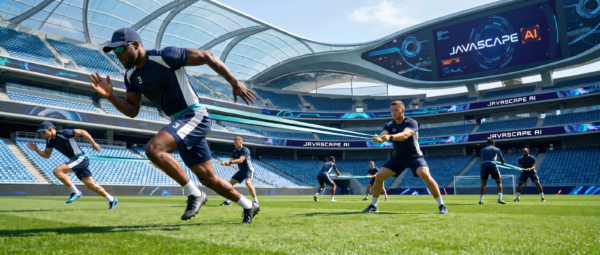
Strength & Conditioning Coach Pro helps users make training decisions with more structure, better context, and clearer progression. It is built for strength and conditioning planning, athlete development, training-log review, recovery support, and performance-focused coaching workflows.
Instead of generating generic workouts, this assistant helps connect the goal, sport demands, athlete profile, schedule, equipment, training phase, recovery status, and available performance data into practical guidance. It can support everything from a simple weekly plan to a more advanced mesocycle, performance audit, or readiness-based training adjustment.
Who It’s For
Strength and Conditioning Coaches:
This assistant fits coaches who need structured support for program design, training reviews, athlete grouping, and performance monitoring. It is especially useful when the goal is to move from scattered notes or broad goals into clearer sessions, weekly plans, and progression logic.
Athletes and Competitive Trainees:
Athletes can use Strength & Conditioning Coach Pro to better understand how to train for strength, power, speed, agility, conditioning, and recovery. It helps users ask sharper questions and receive more practical guidance based on their sport, schedule, experience level, and current training status.
Personal Trainers and Performance Coaches:
Trainers can use the assistant to improve plan structure, exercise selection, regressions, progressions, and client-facing explanations. It is useful when a user needs performance-oriented training that goes beyond general fitness programming.
Sport Coaches and Team Staff:
Sport coaches can use it to support off-season, pre-season, in-season, and return-to-training planning. It can help frame physical preparation around practice demands, competition timelines, recovery pressure, and available facility access.
Sports Science Students and Performance Analysts:
Students and analysts can use the assistant to explore programming logic, KPIs, testing frameworks, load management, and evidence-aware explanations. It helps translate sports performance concepts into usable coaching formats.
Parents or Guardians Supporting Youth Athletes:
Parents and guardians can use it to understand safer, age-aware training concepts for youth athletes. The assistant emphasizes technique, supervision, gradual progression, and qualified review when training decisions carry higher risk.
Why Users Want It / What Problem It Solves
Training plans often fail because they are too generic, too aggressive, poorly sequenced, or disconnected from the athlete’s actual context. A plan may look impressive on paper but still miss the goal, ignore fatigue, overload the week, or fail to explain how progression should happen.
Strength & Conditioning Coach Pro helps users create more controlled training decisions by organizing the moving parts that matter: goal, sport, training age, current schedule, equipment, readiness, recovery, training phase, and available performance markers.
It is useful when users need help with:
- Creating practical strength and conditioning plans
- Reviewing programs before implementation
- Adjusting sessions based on fatigue or soreness
- Building off-season, pre-season, or in-season training structures
- Interpreting user-provided logs or performance notes
- Designing simple KPI and monitoring systems
- Choosing regressions, progressions, or substitutions
- Keeping recommendations safety-aware and proof-respecting
The assistant does not replace hands-on coaching or qualified medical review, but it can help users ask better questions, structure better plans, and make more informed training adjustments.
How It Works
Strength & Conditioning Coach Pro works best when the user provides the training goal, athlete context, constraints, and desired output. From there, it helps structure the response around practical coaching decisions rather than generic exercise lists.
Step 1: Capture the Training Context
The assistant starts by understanding the goal and the person or group being trained. This matters because strength, speed, power, conditioning, and recovery plans should change based on the athlete, sport, equipment, and phase of training.
- Goal or performance outcome
- Sport, activity, or training focus
- Age group and training experience
- Schedule, equipment, and session length
This creates a clearer foundation before programming begins.
Step 2: Identify the Performance Priorities
Next, the assistant helps identify which physical qualities matter most for the task. A speed-focused plan, strength block, conditioning phase, or return-to-training structure should not all use the same training emphasis.
- Strength, power, speed, agility, or conditioning priorities
- Off-season, pre-season, in-season, or general preparation context
- Recovery and readiness considerations
- Sport-specific demands where relevant
This keeps the plan tied to the real objective.
Step 3: Build or Review the Training Plan
The assistant can create a new plan or critique an existing one. It can organize sessions, weekly microcycles, mesocycles, warm-ups, main work, accessory work, conditioning, cooldowns, and progression rules.
- Session plans
- Weekly training structures
- Multi-week training blocks
- Plan critiques and improvement notes
This helps turn broad goals into usable training structure.
Step 4: Adjust for Recovery and Readiness
Training quality depends on how well stress and recovery are managed. The assistant can help users think through soreness, fatigue, sleep, session RPE, readiness notes, and user-provided wearable or performance trends.
- Conservative, moderate, or full-session options
- Deload and adjustment guidance
- Fatigue-aware modifications
- Practical recovery decision support
This helps users avoid treating every day as a maximum-output day.
Step 5: Refine, Track, and Improve
Finally, the assistant can help refine the plan after feedback, testing, or training-log review. Users can ask for stronger progression, lower joint stress, shorter sessions, clearer KPIs, or a more sport-specific version.
- KPI tracking suggestions
- Training-log review
- Exercise substitutions
- Progression and adjustment rules
This makes the assistant useful across an ongoing coaching workflow, not just one isolated answer.
Full User Guide Pack (Beginner & Advanced Power-User) included inside the member access area
Features & Capabilities
Programming and Periodization Support
Strength & Conditioning Coach Pro can help users create structured training across different time horizons. It supports session design, weekly planning, mesocycle logic, phase emphasis, deload planning, and competition-aware scheduling.
It can help with:
- Off-season development blocks
- Pre-season preparation
- In-season maintenance
- Deload and taper planning
- Macrocycle, mesocycle, and microcycle structure
- Progression guidance using practical training variables
Strength, Power, Speed, and Agility Planning
The assistant can help design training around performance qualities such as maximal strength, power output, acceleration, change of direction, and repeated-effort ability. It can also suggest regressions, progressions, and substitutions based on user context.
It can support:
- Strength training sessions
- Power-focused exercise selection
- Sprint and acceleration planning
- Plyometric training structure
- Change-of-direction and agility work
- Lower-impact alternatives where needed
Conditioning and Energy-System Support
Users can ask for conditioning plans that are better matched to sport demands, training level, and recovery capacity. The assistant can help distinguish between general conditioning, repeated sprint work, interval training, tempo work, and aerobic support.
It can help structure:
- Field-based conditioning
- Gym-based conditioning
- HIIT-style sessions where appropriate
- Aerobic support work
- Sport-specific conditioning blocks
- Conditioning placement within the training week
Recovery, Readiness, and Load Management
Strength & Conditioning Coach Pro can support practical recovery decisions based on user-provided details. It can help users adjust training when soreness, poor sleep, fatigue, travel, practice load, or readiness concerns may affect training quality.
It can help with:
- Session adjustment options
- Readiness-based decision support
- Soreness and fatigue notes
- Training-load reflection
- Deload planning
- Conservative return-to-training structure
Training-Log and KPI Review
When users provide training logs, testing results, notes, or performance summaries, the assistant can help identify patterns and gaps. It can review workload, consistency, progression, soreness, readiness, missed sessions, and performance markers.
It can support:
- Weekly training reviews
- KPI dashboards
- Sprint, jump, strength, and conditioning markers
- Session RPE tracking
- Simple readiness monitoring
- Performance trend summaries
Exercise Technique and Coaching Cues
The assistant can provide exercise setup guidance, coaching cues, common errors, regressions, progressions, and substitutions. It can help users think through movement intent, not just exercise names.
It can support:
- Setup and execution cues
- Technique reminders
- Exercise alternatives
- Beginner-friendly progressions
- Advanced variations when appropriate
- Lower-complexity substitutions
Research-Aware Guidance
When users need stronger factual support, the assistant can separate general coaching principles from claims that need current verification. It can support source-aware explanations when verification is requested or when the topic depends on current guidance.
This is useful for:
- Evidence-informed training questions
- Current research discussions
- Youth training considerations
- Supplement or recovery claims
- Method comparisons
- Higher-stakes coaching decisions
Outputs / Deliverables
Strength & Conditioning Coach Pro can help produce practical training and coaching materials such as:
- Session plans
- Weekly microcycles
- Multi-week training blocks
- Off-season and pre-season plans
- In-season maintenance structures
- Warm-up and cooldown frameworks
- Strength and power sessions
- Speed and agility sessions
- Conditioning plans
- Exercise substitutions
- Technique cue sheets
- Training-log reviews
- Performance audit notes
- KPI dashboards
- Readiness tracking templates
- Coach-facing session notes
- Athlete-facing summaries
- Parent-friendly youth training explanations
- Conservative return-to-training structures
- Program critique and improvement notes
Why This Is Different
Strength & Conditioning Coach Pro is built for structured performance coaching support rather than generic workout generation. It asks for the context that affects training quality, then helps organize the plan around practical coaching decisions.
Its value comes from:
- Clearer goal-to-plan translation
- Stronger training phase awareness
- Better progression and adjustment logic
- Safer handling of fatigue, pain, and uncertainty
- More practical support for coaches and athletes
- Training-log and KPI-aware review
- Public-safe boundaries around injury and medical topics
- Proof-respecting language instead of unsupported claims
It is designed to help users create more usable training guidance while keeping the limits of AI-supported coaching clear.
Best Fit Users
Coaches Building Repeatable Training Systems:
This assistant is a strong fit for coaches who need repeatable planning structures, training block templates, athlete monitoring ideas, and program review support. It helps keep the coaching process more organized across sessions, weeks, and phases.
Athletes Who Want More Than Random Workouts:
Athletes who want clearer progression, smarter recovery decisions, and training that fits their sport or goal will get more value than users looking for one-off exercise lists.
Teams Managing Training Around Practice Demands:
Teams can use it to support structured off-season, pre-season, and in-season planning. It is especially useful when training needs to fit around practice volume, competition schedules, athlete readiness, and group logistics.
Performance-Minded Trainers and Fitness Professionals:
Trainers working with strength, power, conditioning, or sport-performance clients can use the assistant to improve exercise selection, progression, communication, and plan review.
Students Learning Sports Performance Concepts:
Students can use the assistant to turn concepts such as periodization, progressive overload, readiness, and energy-system development into practical examples and templates.
Not For
Users Looking for Medical Diagnosis or Rehabilitation Clearance:
This assistant does not diagnose injuries, prescribe clinical rehabilitation, interpret medical imaging, or clear return-to-play. Pain, injury, surgery, concussion, or medical concerns should be reviewed by qualified professionals.
Users Who Want Guaranteed Performance Results:
Strength & Conditioning Coach Pro can support better planning and decision-making, but outcomes depend on user context, implementation, recovery, consistency, supervision, and real-world athlete response.
Users Wanting One-Size-Fits-All Training:
This product is most useful when the user provides context. If no goal, equipment, training age, schedule, or safety information is provided, the guidance may need to rely on broad assumptions.
Users Seeking Unsafe Shortcuts:
This assistant is not designed for extreme weight-cutting advice, banned-substance guidance, reckless overload, or training through serious pain. It supports performance with responsible boundaries.
Users Needing Live Coaching Feedback:
The assistant can provide cues and planning support, but it cannot replace hands-on observation from a qualified coach during complex, high-load, or technical movement.
Responsible Use / Professional Boundary Note
Strength & Conditioning Coach Pro is designed to support training structure, coaching decisions, performance planning, and evidence-informed guidance. It is not a medical provider, physiotherapist, athletic trainer, or substitute for qualified professional judgment.
Use qualified review when pain is sharp, severe, worsening, persistent, or associated with swelling, numbness, instability, fainting, chest pain, neurological symptoms, suspected concussion, post-surgery status, or return-to-play decisions. For youth athletes, the assistant should be used with extra attention to supervision, technique, age-appropriate loading, and conservative progression.
Optional Specialized Modules
Advanced Programming Support
Users can ask for more detailed programming support when they need structured training blocks, phase logic, KPI tracking, or coach-facing implementation notes. This is especially useful for coaches, teams, and performance-focused users managing multiple training variables.
Examples include:
- 4-week or 8-week mesocycles
- Off-season strength and power blocks
- In-season maintenance plans
- Speed and conditioning blocks
- Training-load review structures
Performance Review Support
When users provide training logs or performance notes, the assistant can help review workload, progression, fatigue, readiness, and testing markers. It can also suggest what additional information would make the review stronger.
Examples include:
- Weekly training audit
- KPI dashboard
- Soreness and readiness review
- Session RPE summary
- Program adjustment recommendations
Coach Communication Support
The assistant can convert training plans into clearer coaching materials for different audiences. This helps coaches explain the purpose, structure, and expectations behind the plan.
Examples include:
- Coach-facing session notes
- Athlete-facing instructions
- Parent-friendly youth training explanations
- Weekly training summaries
- Session objective cards
Frequently Asked Questions (FAQs)
General Fit
What is Strength & Conditioning Coach Pro?
Strength & Conditioning Coach Pro is an AI strength and conditioning coach designed to help users build, review, and refine training plans for athletic performance. It supports programming, recovery decisions, exercise selection, training-log review, and practical coaching workflows.
Who should use this assistant?
It is built for coaches, athletes, trainers, sport coaches, team staff, students, and performance-minded users. It is especially useful for users who want more structured training decisions rather than generic workouts.
Can beginners use it?
Yes. Beginners can use it for simple, structured training plans, clear explanations, exercise substitutions, and safer progression guidance. The best results come when beginners share their goal, schedule, equipment, training experience, and any pain or safety concerns.
Workflow & Outputs
Can it create a full training plan?
Yes, it can help create session plans, weekly plans, mesocycles, off-season plans, pre-season plans, in-season structures, and conservative return-to-training plans. The quality improves when users provide the goal, sport, schedule, equipment, training level, and timeline.
Can it review an existing program?
Yes. Users can paste a plan and ask for a critique of progression, recovery balance, sport specificity, fatigue risk, and practical execution. It can also suggest the highest-impact improvements before rewriting the plan.
Can it help with performance tracking?
Yes. It can help create simple KPI dashboards and monitoring frameworks using user-provided data such as strength markers, sprint times, jump results, session RPE, soreness, readiness, or training logs.
Does it work with tools like TrainingPeaks or wearable data?
It can help interpret data or summaries that users provide from tools such as TrainingPeaks, GPS systems, wearables, or velocity-based training tools. It should not be assumed to connect directly to external platforms unless that access is specifically available in the user’s environment.
Boundaries & Limitations
Does it provide injury prevention advice?
It can support injury-risk-aware planning through warm-ups, load management, mobility, progressive training, and conservative adjustment guidance. It should not be described as guaranteeing injury prevention or replacing qualified professional assessment.
Can it create rehab or return-to-play protocols?
It can provide general, conservative return-to-training structure when appropriate, but it does not diagnose injuries, prescribe clinical rehabilitation, or clear return-to-play. Medical or rehabilitation decisions should involve qualified professionals.
Can it provide research-backed answers?
It can explain training principles and provide research-aware guidance when requested. For current studies, guidelines, citations, supplement claims, or “latest research,” users should request verification and understand that source access may depend on the current environment.
Customization & Next Steps
How do I get the best answer from it?
Provide the goal, sport, age group, training experience, schedule, equipment, current training, timeline, pain or injury status, and desired output. Strong prompts create stronger coaching guidance.
Can it adapt a plan after feedback?
Yes. Users can ask for a plan to become shorter, more advanced, more beginner-friendly, more speed-focused, lower-impact, more measurable, or better suited to limited equipment.
Closing
Explore Strength & Conditioning Coach Pro to build clearer training plans, review performance decisions, and support more structured strength and conditioning workflows with responsible, context-aware guidance.
Suggested Internal Links
- AI Assistants Catalog — Explore AI assistants
- Fitness & Performance Assistants — View fitness and performance tools
- Professional Coaching Assistants — Compare coaching assistants
- JAVASCAPE AI Membership — Explore membership access
- Custom AI Build Services — Request a tailored build
Already a JAVASCAPE AI member? Log in to access your tools through the Access Hub. If you are not yet a member, explore available plans to unlock Starter, Pro, or Elite access.
[Log In] [View Plans] [Go to Access Hub]
Full User Guide Pack (Beginner & Advanced Power-User) included inside the member access area
————————
All trademarks, logos, visual design, images, symbols, media, and content on this website are the exclusive property of JAVASCAPE AI unless otherwise stated. Any unauthorized use, reproduction, or distribution without explicit permission is strictly prohibited.










Reviews
There are no reviews yet.